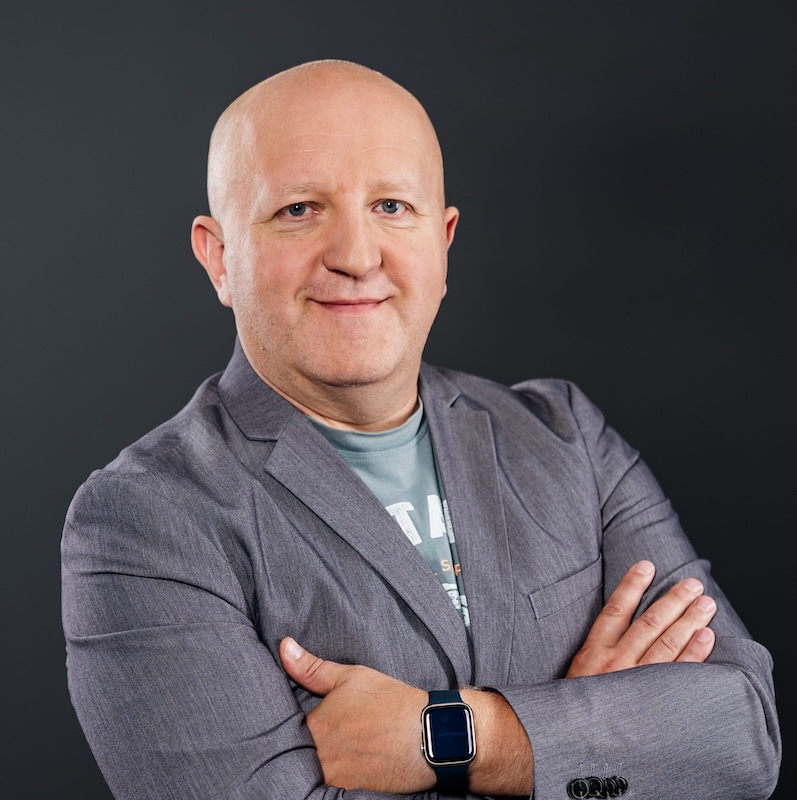
About
When I look back on my working life, one thread runs through it quite clearly — I like making things work better. Not necessarily through a major revolution, but rather by helping what already exists function more smoothly: processes become clearer, work becomes easier and the customer experience becomes more convenient.
My professional story
What characterises me above all is a desire to understand how things are connected. I often do not look at just one problem or process, but try to see the bigger picture — what the real cause of the problem is, how one change affects other parties and which solution could create the most value in the long run.
My first contact with development and innovation came in the late 1990s, when I worked as editor-in-chief at Radio Viru. It was a time when radio work was moving from the analogue world into the digital one. We started producing programmes on computers, introduced pre-planned music playlists and made the news internet-based. Looking back, it was my first real experience of change management — even though I did not know to call it that at the time.
In 2004, I joined Elion, Telia’s predecessor, starting as a sales consultant in a retail store. Over the years I moved into sales and development roles. There I increasingly understood how much an organisation’s results are influenced by the way work is organised: what the processes are, which tools people have at their disposal and how we think about the customer in the first place.
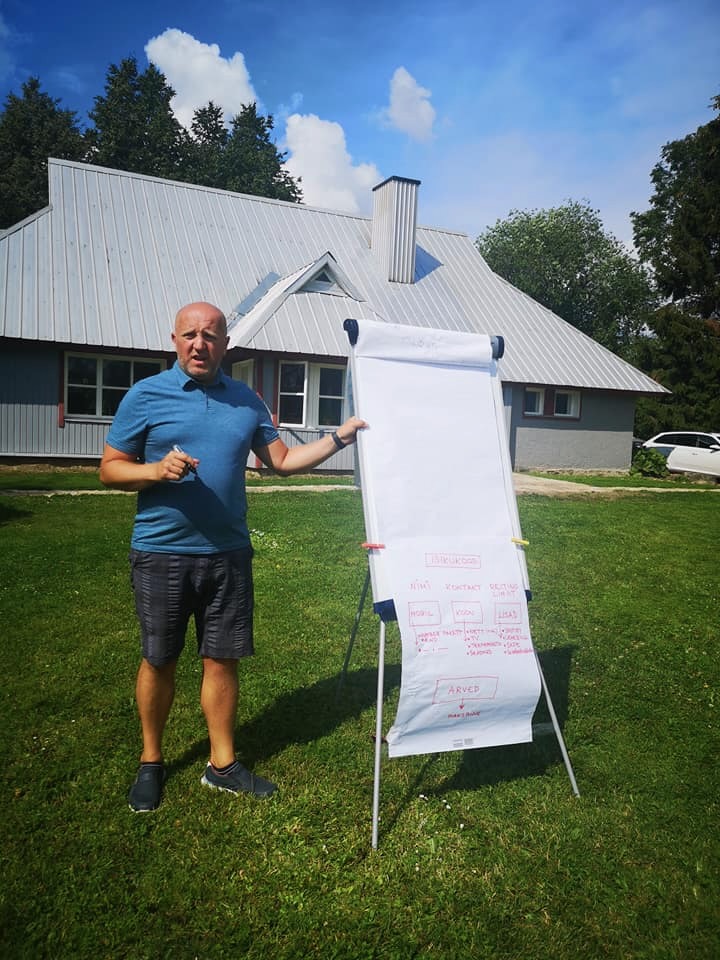
One mindset that has stayed with me since then is very simple: if a process says ‘the technician prepares’, it describes an activity. But if we say ‘the customer waits for the technician’, we start looking at the process from a completely different angle. For me, a good solution often begins with asking the right question.
Later, while working at Telia as a development manager, I was able to contribute to how today’s customer service and self-service took shape. This ranged from how a customer request is registered in the system to how development teams organise their work. It was a period when the organisation became increasingly customer-centred and agile, and I had the opportunity to help lead that change from close range.
I enjoy generating ideas and exploring what could be different or better. At the same time, an idea is not an end in itself for me. The more interesting part begins when it is time to find a way to make the idea actually work — taking into account people, processes, technology and the organisation’s real possibilities.
I currently work as a development manager at the Tallinn Urban Mobility Department. The public sector is a very different environment, but the core question is the same here as well: how to do things more intelligently. For example, we have tried to organise public procurements so that we do not prescribe the exact solution, but describe the desired outcome. We have also introduced the strategic planning tool PlanPro so that objectives and activities are better connected.
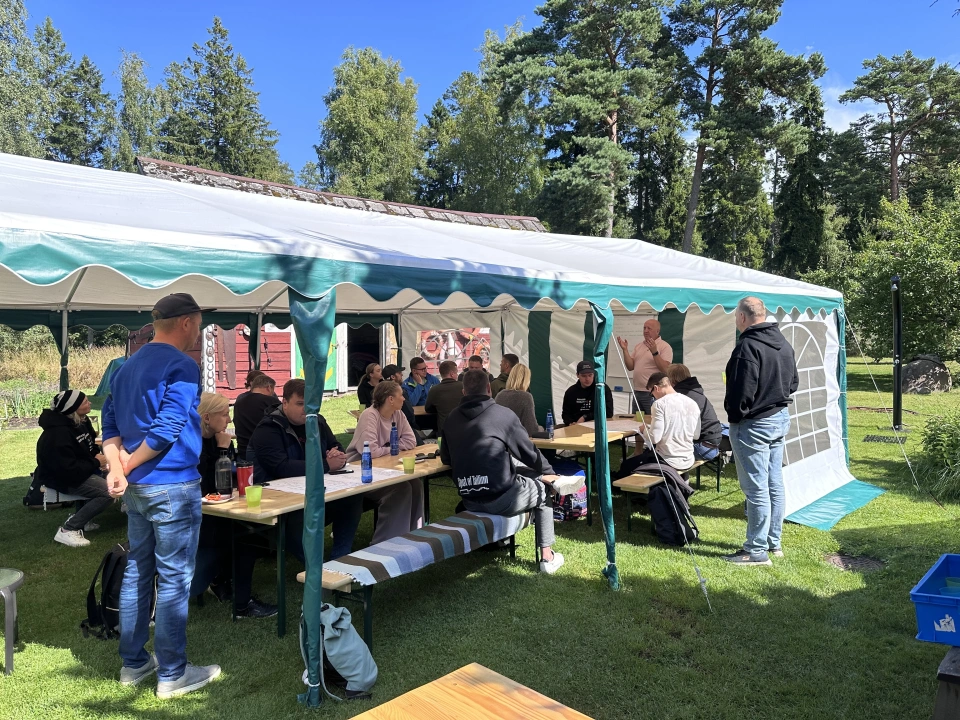
I studied business management at Mainor Business School and received a master’s degree in information technology management from Tallinn University. I have taken part in further training introducing different management and development frameworks almost every year. I have learned about and worked in roles such as Scrum Product Owner, SAFe Product Manager and Prosci Change Management Practitioner. But most of my learning has still come from real work and real projects — situations where there is no ready-made answer and the solution has to be found together with people.
I usually do not have a ready-made solution in my pocket. Instead, I first try to understand what the real problem is, what the limitations are and what possibilities exist. I then bring together different perspectives, use suitable frameworks and look for a solution together with people — one that can actually be implemented.
Perhaps this is my most important strength: I know how to see the bigger picture, while also thinking about how an idea or strategy will actually start working in practice.
And when it finally turns out that things work a little better than before — the process is simpler, the service more convenient or people can do their work better — then it feels like the work has been worthwhile.
If this way of thinking resonates with you, I may be the right development partner for you.